Green Restoration of Manhattan, NY
Pre-War Doorman Co-Op Stack Experts Co-Op Board Ready · IICRC Certified
 IICRC Certified
 Eco-Friendly Solutions For Healthier Spaces
Reviewed by Green Restoration's IICRC-Certified Team·Licensed & Insured·IICRC Certified Firm
Who Handles Water, Fire, And Mold Damage Restoration In Manhattan, NY?
Pre-war co-op and loft losses in Manhattan are handled by Green Restoration, an IICRC certified firm working the Upper West Side, Upper East Side, Tribeca, SoHo, and Washington Heights. We target a 60-minute response to riser breaks and sprinkler discharge, and provide the documentation your building and insurer require. Call (347) 783-6383.
- Response
- 60-minute target, 24/7
- Certification
- IICRC Certified Firm
- Coverage
- Manhattan, NY
- Most Common Loss
- Riser breaks and sprinkler discharge
Conditions from the National Weather Service and Open-Meteo.
Restoration Services in Manhattan
From Emergency Response to Full Restoration, We Handle Every Phase With Certified Expertise.
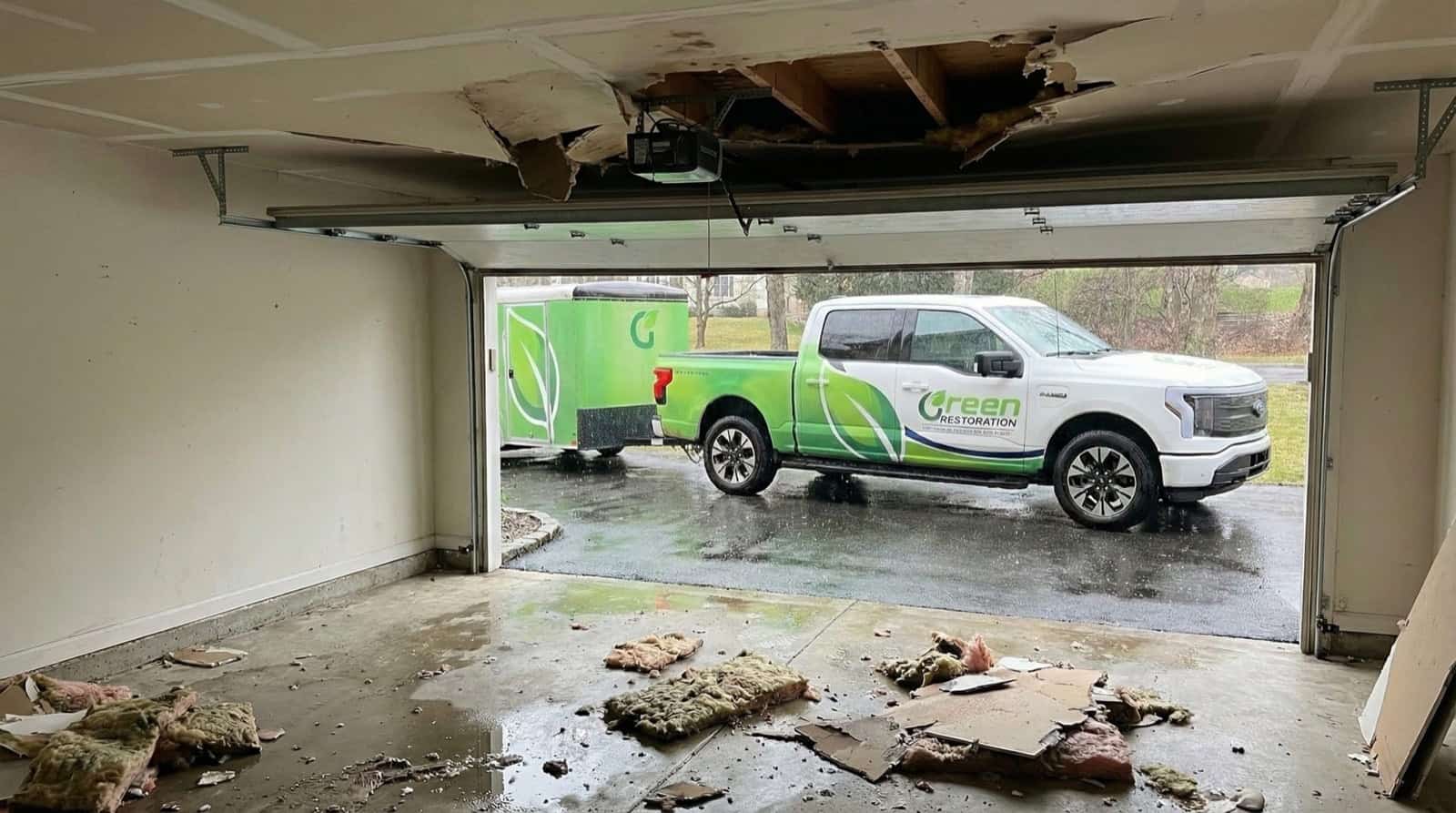
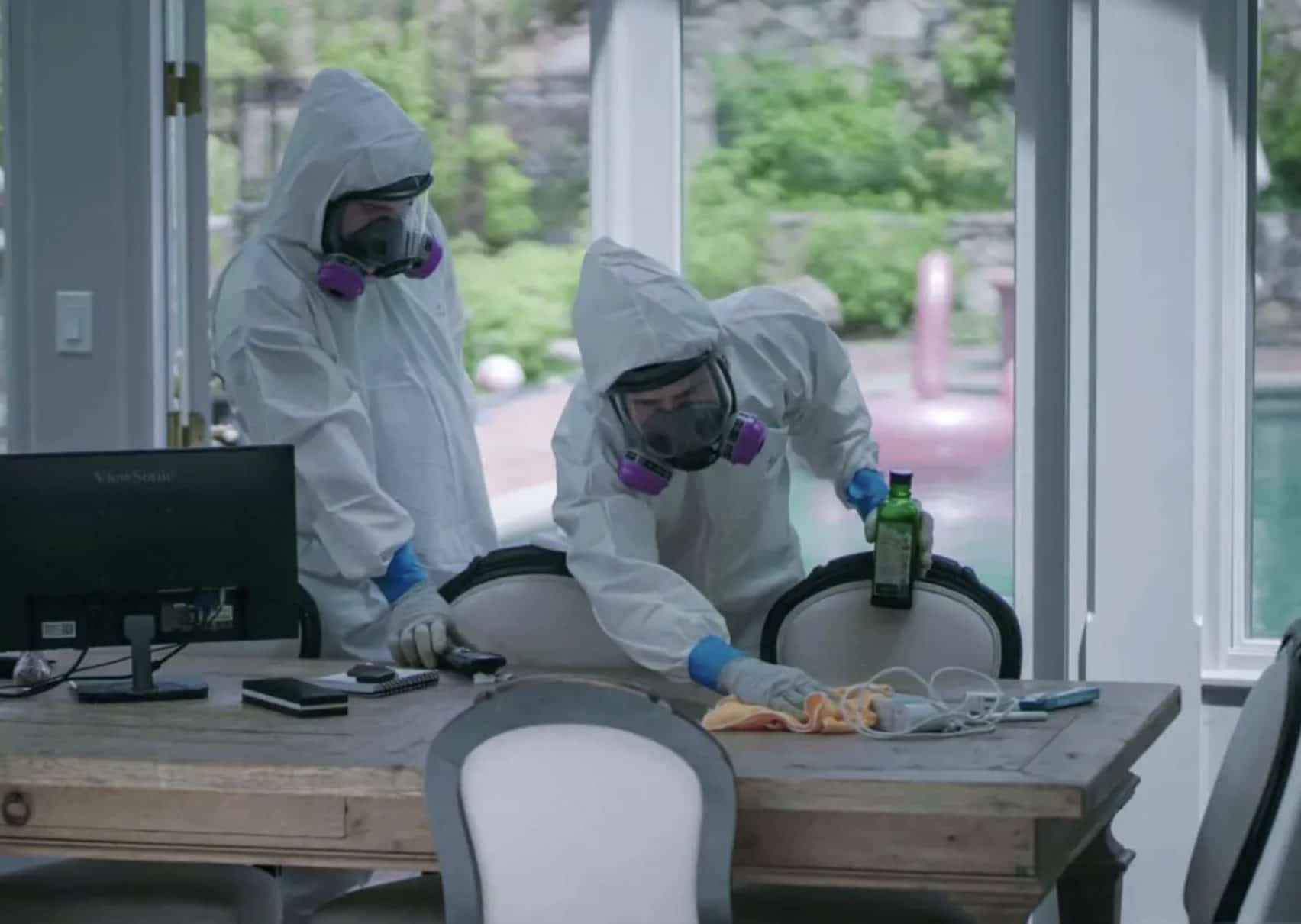
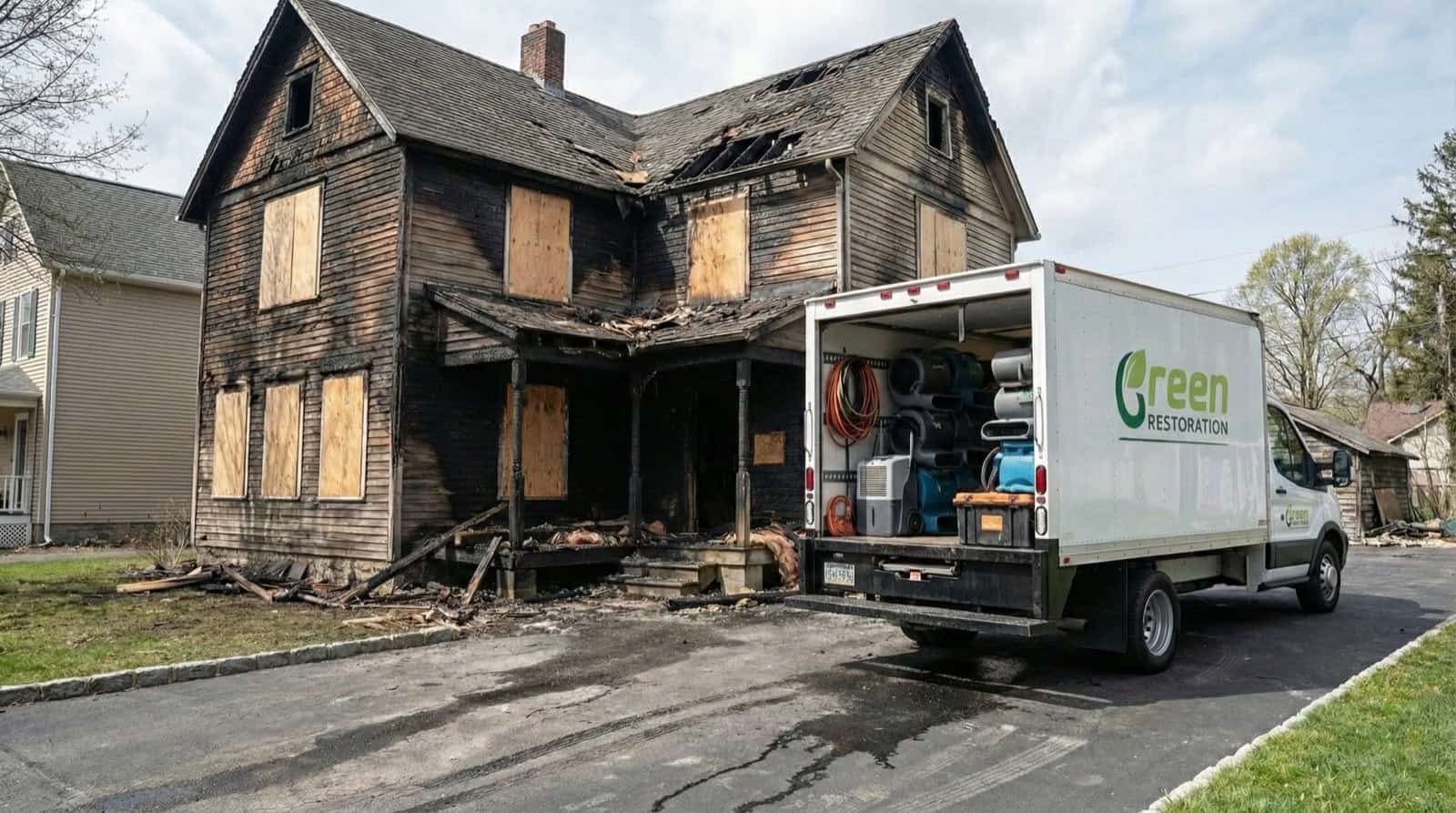
No Obligation · Available 24/7 · Direct Insurance Billing
Our Results
Manhattan Restoration Results
Real before-and-after results from water damage restoration projects in Manhattan homes.
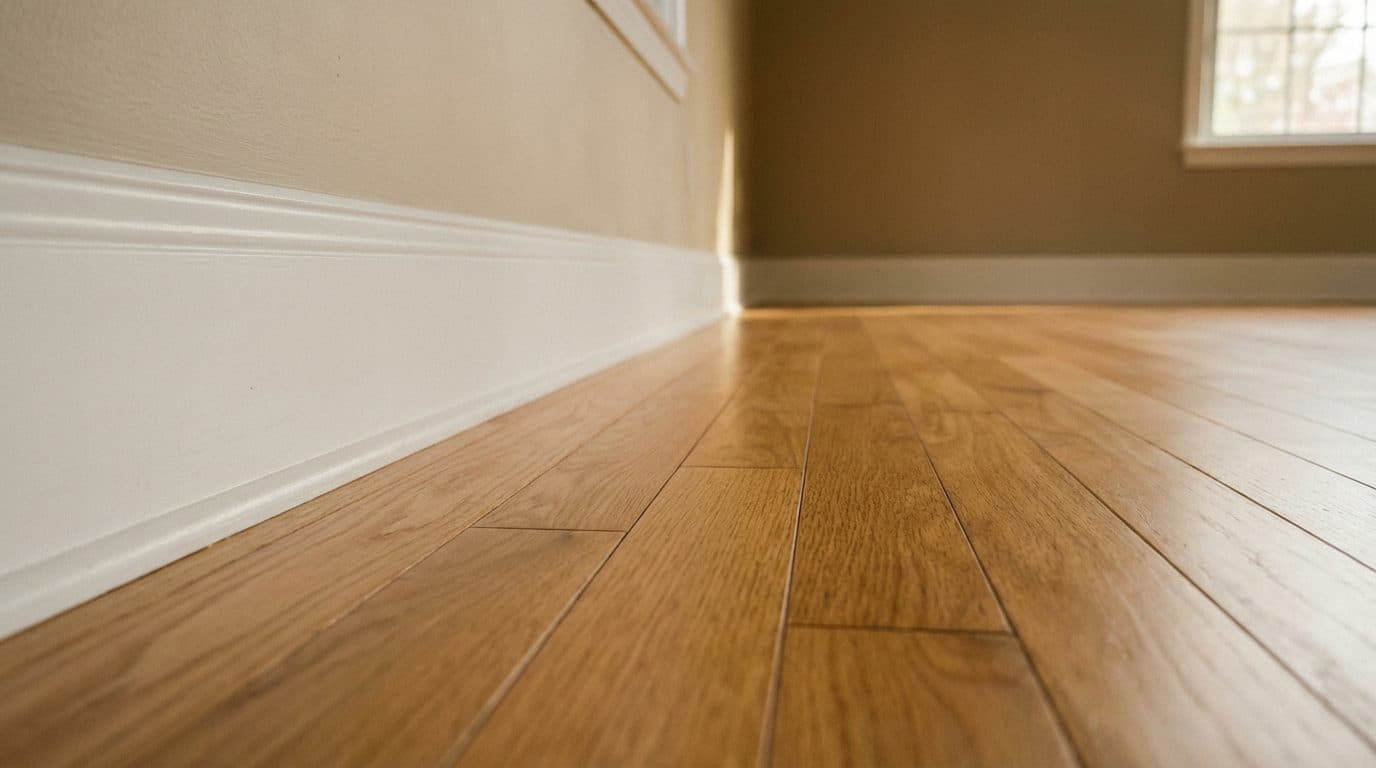
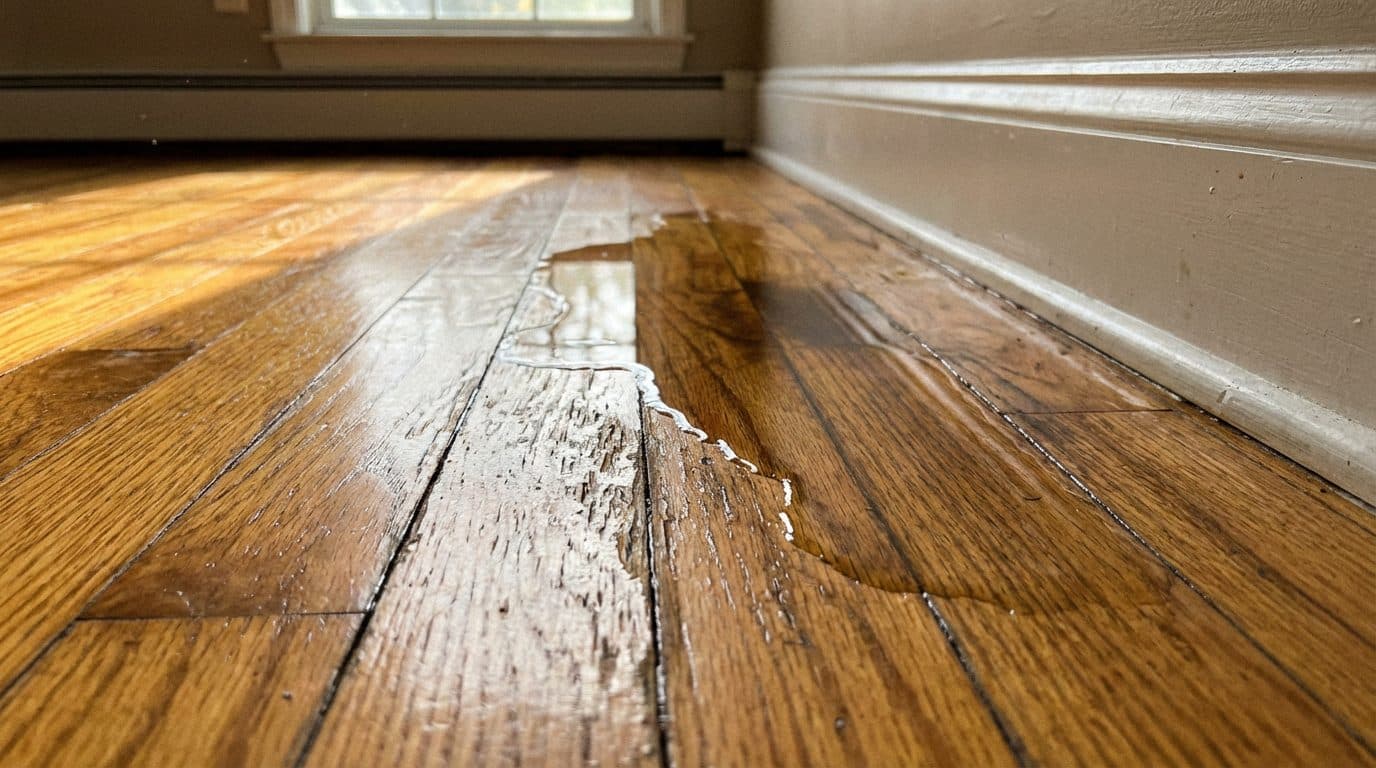
Water Damage Restoration
Manhattan, NY
Drag the slider to compare before and after

Manhattan’s IICRC-Certified Restoration Experts
Toll-free rapid local dispatch. IICRC-certified, doorman building and condo board coordination, 40 to 60 minute off-peak arrival into Manhattan.
Manhattan combines the densest mix of high-value restoration scenarios in NYC: pre-war 1900 to 1940 doorman co-ops along Park Avenue, Fifth Avenue, Central Park West, and Riverside Drive with original cast-iron and galvanized supply risers, Tribeca cast-iron and SoHo conversion lofts with exposed-timber-and-brick assemblies, Tudor City and Stuyvesant Town mid-century concrete-frame co-ops along the East River, and 1990s to 2020s glass towers across Midtown, Hudson Yards, and the Financial District. Each carries distinct water failure modes that need calibrated response.
Green Restoration dispatches rapidly via I-95 South and the RFK / Triboro Bridge into the Upper East Side, Midtown, and downtown, or the Henry Hudson Bridge into the Upper West Side and Washington Heights. Crews arrive IICRC-certified in S500 water and S520 mold protocols, fully equipped for pre-war plaster, doorman co-op original parquet, glass-tower party-wall isolation, Con Ed steam-pipe rupture PPE-rated response, and timber-and-brick loft conversion preservation. NY state mold remediation jobs of 10 square feet or more coordinate with a state-licensed independent assessor.
Pre-War Doorman Cast-Iron Risers
Park Avenue, Fifth Avenue, Central Park West, and Riverside Drive doorman co-ops built 1900 to 1940 carry original cast-iron and galvanized supply lines. Pinhole corrosion drives sudden bursts behind plaster walls every winter, especially in Upper East Side and Upper West Side units.
High-Rise Riser-Stack Cascades
Midtown, Financial District, and Hudson Yards glass towers built 1990 to 2020 see riser-stack leaks cascading down eight to twenty unit lines from a single supply break above the twentieth floor. Party-wall HEPA isolation and condo board coordination protect adjacent units.
Con Ed Steam Pipe District
Manhattan is the only NYC borough served by the Con Edison steam district loop. Steam-main ruptures under Midtown, the Garment District, and the Flatiron drive scalding condensate into sub-basements, electrical vaults, and tenant ground-floor build-outs.
Toll-Free 24/7 Dispatch
Call (347) 783-6383 any time. Dispatch via I-95 South + RFK / Triboro / Henry Hudson Bridge. 40 to 60 minute off-peak Upper East Side, Upper West Side, Midtown, Tribeca arrivals. Direct billing with Chubb, AIG Private Client, PURE, Cincinnati, State Farm, and Liberty Mutual.
Why Choose Us In Manhattan
Owner-led service with 60-minute response, direct insurance billing, and eco-friendly methods across Manhattan.
60-Minute Emergency Response
IICRC-certified crews arrive within 60 minutes, day or night, every day of the year.
Owner-Operated Local Crew
Every job is personally overseen, from first call to final moisture reading.
Direct Insurance Billing
We bill State Farm, Liberty Mutual, USAA, Farmers, AIG, Chubb, and Safeco directly.
EPA-Registered Antimicrobials
EPA-registered antimicrobials and Safer Choice cleaning products applied per IICRC S500 and S520 standards.
Manhattan Service Area
Our local New York crews dispatch into Manhattan via I-95 South and the RFK / Triboro Bridge into the Upper East Side, or the Henry Hudson Bridge into the Upper West Side. Typical arrival 40 to 60 minutes off-peak, 75 to 110 minutes weekday peak. Toll-free dispatch any time.
60-Minute Emergency Response
Our Manhattan team is on call 24/7 with fully equipped trucks staged across the county.
Featured Coverage
Manhattan Restoration Services
IICRC-aligned water damage, mold, fire, and asbestos restoration with NYC condo and co-op coordination, NY DOL Article 32 mold assessor coordination, and direct insurance billing.
Beyond Manhattan
Other NYC Boroughs We Serve
24/7 emergency water, mold, fire, and storm restoration across all five NYC boroughs. Toll-free dispatch at (347) 783-6383.

Astoria, Long Island City, Forest Hills, Flushing, Jamaica, Rockaway. 24/7 dispatch.
Park Slope, Williamsburg, Brooklyn Heights, Bay Ridge, Bensonhurst. 24/7 dispatch.
Riverdale, Throgs Neck, Country Club, Pelham Bay, Mott Haven. 24/7 dispatch.
Tottenville, Annadale, Great Kills, St. George, Tompkinsville. Sandy-zone experienced.
Understanding the Problem
Why Manhattan Property Owners Trust Green Restoration
Manhattan properties face restoration challenges no other NYC borough matches. Pre-war doorman co-op stock along Park Avenue, Fifth Avenue, Central Park West, and Riverside Drive runs on cast-iron and galvanized supply lines that burst behind plaster walls every winter. High-rise riser-stack cascades from Midtown to the Financial District travel down twenty-plus unit lines from a single supply break. Con Ed steam-pipe ruptures, unique to Manhattan, drive scalding intrusion under Midtown, the Garment District, and the Flatiron. Tribeca cast-iron lofts and SoHo conversions share exposed-timber-and-brick wall systems with heart-pine plank floors that need preservation-grade mat-drying.
Local crews dispatch IICRC-certified in S500 water and S520 mold protocols, with truck-mounted extractors, LGR dehumidifiers, HEPA containment, FLIR thermal imaging, and EPA-registered antimicrobials calibrated for pre-war plaster, doorman co-op original parquet, glass-tower condo finishes, and timber-and-brick loft conversions. NYC condo boards, co-op managers, doorman building staff, and state-licensed mold assessors coordinated as needed.
NYC borough dispatch via I-95 South + RFK / Triboro / Henry Hudson Bridge
40 to 60 minute response off-peak, 75 to 110 minute peak
Direct insurance billing on covered claims; you handle policy deductible
Co-op board, condo board, and doorman building coordination on every job
Manhattan Emergency Utility Lines
Stopping water at the source is step 1 of any water-damage scope. Use these verified Manhattan lines while our IICRC crew is en route.For life-threatening emergencies (active fire, gas odor, electrical shock), call 911 first.
Water Authority
NYC DEP (311)
311
NYC Department of Environmental Protection handles water and sewer. Dial 311 for water main breaks, sewer backups, and curb-stop requests.
Source: nyc.gov
Gas Leak
Con Edison
(800) 752-6633
If you smell gas, leave immediately, call 911 first, then this line from a safe location.
Source: coned.com
Electric Emergency
Con Edison
(800) 752-6633
Submerged outlets or wet panel: cut breaker, then call to confirm service drop is safe.
Source: coned.com
Police (Non-Emergency)
NYPD (311)
311
NYPD dispatches via 311 for non-emergency. Dial 911 for fires, medical emergencies, or crimes in progress. High-rise stack-cascade and Con Ed steam pipe burst incidents may also need FDNY 911 response.
Source: nyc.gov
Numbers verified against public utility and municipal sources. Green Restoration is not affiliated with these agencies. We provide these as a courtesy resource alongside our IICRC water-damage response.
How We Restore Manhattan Properties
From the first call to final walkthrough, every step is documented, insured, and owner-supervised.
How Much Does Restoration Cost In Manhattan?
Updated 2026-05-07
Direct ranges from real Manhattan jobs. Free written estimate before any work begins, with no obligation.
Water Damage Restoration Cost
$1,500 to $50,000+
Extraction, structural drying, dehumidification, and antimicrobial. Range depends on water source and affected square footage.
Mold Remediation Cost
$1,500 to $30,000+
Containment, HEPA air scrubbing, source removal, and post-clearance testing. Scales with affected square footage.
Fire & Smoke Damage Cost
$3,500 to $50,000+
Soot removal, odor neutralization, content pack-out, and structural cleaning. Severity drives the range.
Flood & Storm Damage Cost
$3,000 to $50,000+
Emergency extraction, structural drying, content recovery, and debris removal. Insurance billed direct.
Crawl Space Cleanup Cost
$1,500 to $10,000+
Vapor barrier, encapsulation, dehumidifier, and pest exclusion. Price varies by square footage and access.
Air Duct Cleaning Cost
$1,299 to $2,000
Per HVAC unit. NADCA source-removal: HEPA collection, rotary brush agitation, coil treatment. Multi-zone systems higher.
Asbestos Removal Cost
$1,800 to $60,000+
NY DOL-licensed abatement with third-party clearance testing. Scales with material type and square footage.
Sewage Cleanup Cost
$2,000 to $15,000+
Category 3 black-water extraction, biohazard decontamination, and structural disinfection. 24/7 emergency response.
Estimate Your Restoration Cost
Instant estimate for water damage, mold remediation, fire cleanup, and storm restoration across Manhattan. Transparent pricing, direct insurance billing, doorman building coordination.
Common Questions About Restoration Service in Manhattan
Clear, honest answers about NYC dispatch, doorman building access, co-op board coordination, insurance, and our IICRC-certified restoration process across Manhattan, NY.
Dispatch starts the moment you call (347) 783-6383. Our local New York crews route via I-95 South and the RFK / Triboro Bridge into the Upper East Side, Midtown, and downtown, or the Henry Hudson Bridge into the Upper West Side, Washington Heights, and Inwood. Upper East Side, Upper West Side, Midtown, Chelsea, Greenwich Village, and Tribeca typically arrive within 40 to 60 minutes off-peak. The Financial District and Battery Park City run 50 to 70 minutes off-peak. Peak weekday rush hour can push these to 75 to 110 minutes. Trucks roll with extractors, dehumidifiers, and FLIR thermal imaging so mitigation starts on arrival, with doorman building check-in coordinated en route.
Manhattan water damage cost depends on IICRC S500 water category and the doorman building access scope. Category 1 clean-water single-room burst pipes in an Upper East Side or Upper West Side pre-war co-op kitchen run $2,000 to $5,500. Category 2 gray-water washing machine or dishwasher failures in a Chelsea or Murray Hill condo run $3,500 to $9,500. High-rise riser-stack cascades that affect multiple unit lines push Category 2 work into the $8,000 to $15,000 range because party-wall isolation, after-hours building access, and condo board coordination add complexity.
Category 3 black-water sewer-line backup in a Stuyvesant Town or Lower East Side basement runs $8,500 to $50,000+ because Category 3 requires demolition of contaminated drywall, batting, and finishes. Written estimate on-site after Tramex moisture meter readings.
Most Manhattan co-op and condo policies cover sudden and accidental water damage within the unit interior, including burst pipes behind plaster walls, appliance failures, and supply-line ruptures. The building master policy typically covers shared common-area risers and exterior envelope. Co-op proprietary lease and condo bylaws define the line between unit-owner and building responsibility, which we document in the IICRC S500 scope of work. High-net-worth carriers common across Manhattan, including Chubb, AIG Private Client, PURE, and Cincinnati, often coordinate alongside the building master policy.
The Financial District and Battery Park City flood exposure from Sandy 2012 sits under National Flood Insurance Program (NFIP) coverage, which is separate from standard homeowner and condo policies. We submit IICRC S500-standard documentation directly to your insurer. We are not licensed public adjusters and do not negotiate claims on your behalf.
Yes. Green Restoration's IICRC-certified technicians hold Water Restoration (WRT) and Applied Microbial Remediation (AMRT) credentials, all renewed annually. Manhattan doorman buildings, co-op boards, condo boards, and tower management require certificate of insurance on file plus a building access plan before equipment moves. Our office submits the certificate, equipment list, and access schedule directly to building management so work begins without scheduling delays. NYC building permits, DOB filings, and post-loss reconstruction coordinated as part of scope for cascade demolitions.
Most Manhattan projects run 4 to 7 days for structural drying, verified by daily moisture meter readings per IICRC S500-2021 Section 12. Upper East Side and Upper West Side pre-war doorman co-ops with plaster-on-lath walls extend to 7 to 9 days because dense wall cavities need slower controlled drying. Tribeca cast-iron lofts and SoHo conversion units with exposed-timber-and-brick assemblies extend to 7 to 10 days because heart-pine plank floors and brick interiors need preservation-grade mat-drying. High-rise riser-stack cascades across multiple unit lines in Midtown and Financial District towers typically run 5 to 8 days with party-wall isolation and HEPA negative-air containment between affected units. Con Ed steam-pipe rupture cleanup in Midtown commercial space runs 5 to 10 days depending on electrical vault drying requirements.
The five most common causes we see across Manhattan are, in order: high-rise riser-stack cascades from supply breaks above the twentieth floor in Midtown and Financial District towers, pre-war cast-iron and galvanized supply line bursts behind plaster walls in Upper East Side, Upper West Side, Murray Hill, and Carnegie Hill doorman co-ops, Con Ed steam-pipe ruptures under Midtown, the Garment District, and the Flatiron driving scalding intrusion into sub-basements and tenant build-outs, broken sprinkler heads and overnight pipe bursts in Midtown commercial floor plates and Garment District showrooms, and Category 3 sewer-line backup in low-lying Stuyvesant Town, Kips Bay, and Lower East Side basements during high-intensity rainfall.
Yes. The Financial District and Battery Park City along the southern tip of Manhattan saw documented 2012 storm-surge intrusion into lobby finishes, electrical vaults, and below-grade mechanical rooms. Manhattan north of Houston Street stayed largely dry during that event, and tropical storm surge is not a primary water failure mode for the rest of the borough. When properties in FiDi or Battery Park City do experience storm-driven flooding, we pump residual brackish water, dry electrical vaults and lobby finishes per IICRC S500 Category 3 protocols, and document the loss for both standard-carrier and NFIP coordination when the property carries flood coverage. Active storm dispatch stages our local crews for immediate response as soon as bridge conditions allow.
Yes, with a state-licensed independent assessor on jobs of 10 square feet or more. New York Article 32 of the Labor Law requires assessor and remediator roles stay separate. Green Restoration provides remediation services only on Manhattan mold jobs. We coordinate the assessor relationship as part of scope so you do not have to manage two separate vendors. Common Manhattan mold scenarios include pre-war Upper East Side and Upper West Side doorman co-op plaster cavity colonization after a slow supply-line leak, Tribeca and SoHo loft cavity colonization behind exposed-brick wall assemblies, and Stuyvesant Town and Tudor City mid-century co-op bathroom and kitchen cavity colonization. AMRT-certified containment with HEPA negative-air and EPA-registered antimicrobial per IICRC S520-2024 protocol applies.
A Rich Tapestry of History and Green Living
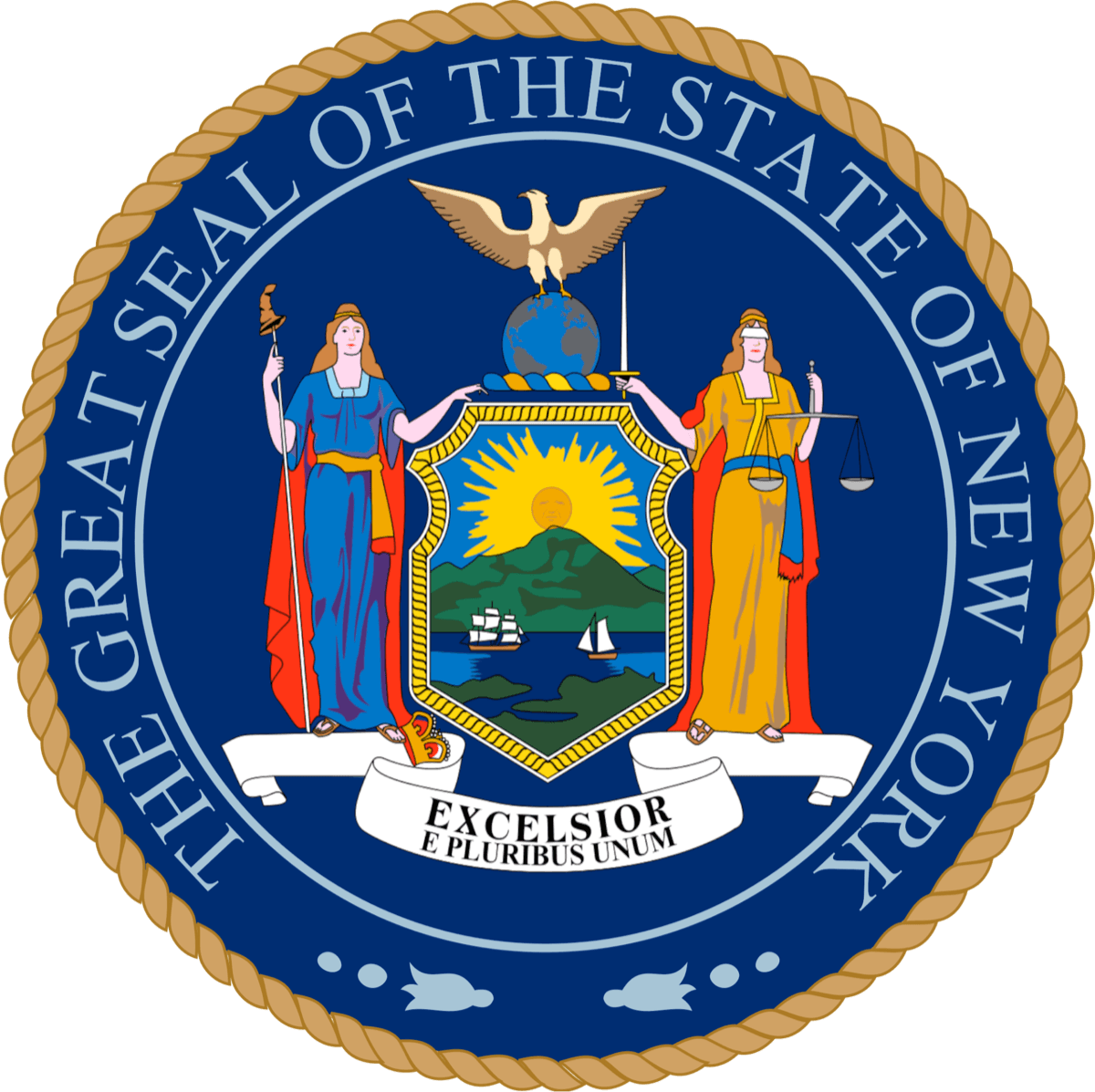
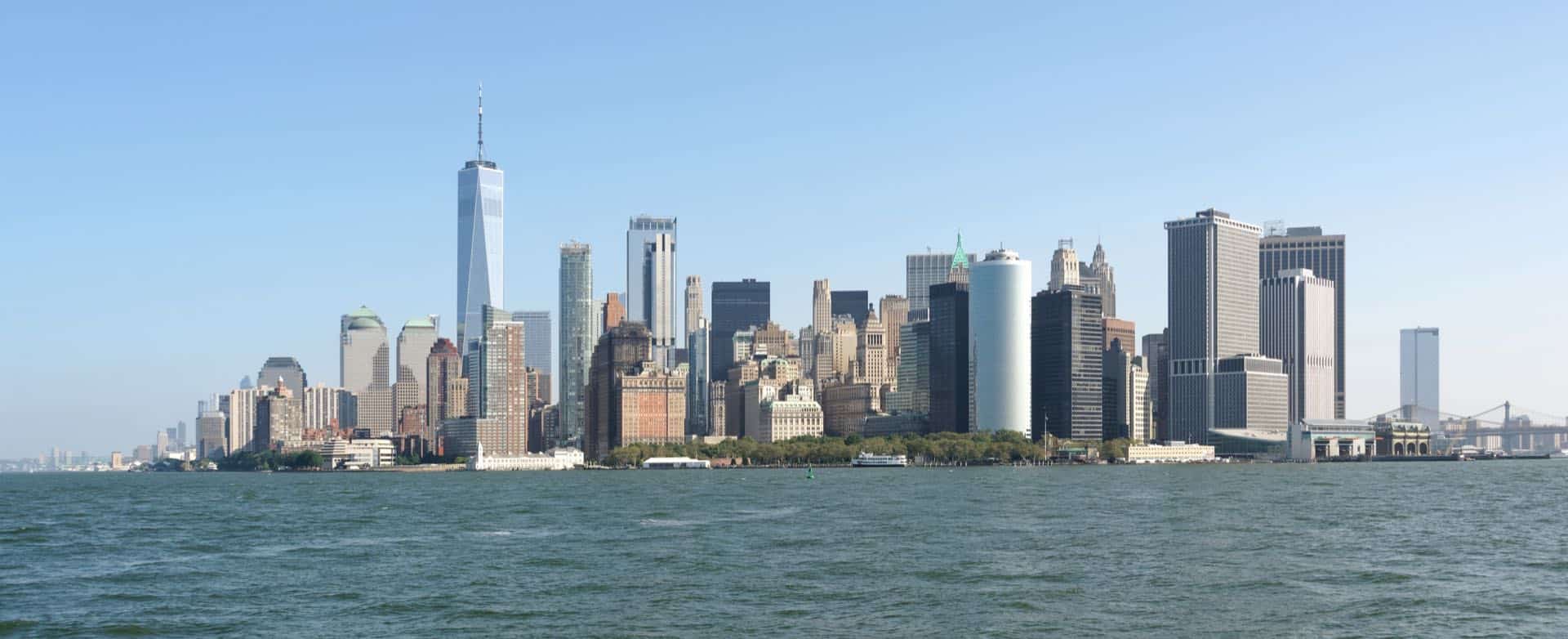
Manhattan packs more vertical density into thirteen miles than anywhere else in the country, and that shapes every restoration we handle. Pre-war doorman co-ops along Park Avenue and Central Park West hide cast-iron and galvanized risers behind plaster-on-lath walls, while Tribeca and SoHo cast-iron lofts carry exposed timber, brick, and heart-pine plank floors that need preservation-grade drying. A single supply break above the twentieth floor of a Midtown or Hudson Yards tower can cascade down a dozen unit lines before maintenance reaches the riser, so containment and condo board coordination matter as much as the extraction itself.
Geography adds hazards no other borough faces. Manhattan is the only place served by the Con Edison steam district loop, where a ruptured steam main under the Garment District or Flatiron can push scalding condensate into sub-basements and electrical vaults. The Financial District and Battery Park City sit low along the harbor and saw storm surge in 2012, even as the island north of Houston Street stayed dry. From the Upper West Side and Washington Heights down to the Lower East Side and Stuyvesant Town, our crews calibrate drying to the building assembly in front of them, because a Carnegie Hill prewar parquet floor and a glass-tower party wall do not dry the same way.
Areas We Serve Across NYC
Water Damage Restoration Across NYC
IICRC-certified water extraction, structural drying, and repair in every NYC town we serve.
Mold Remediation Across NYC
IICRC S520 certified mold remediation with ACAC clearance testing across every NYC town we serve. Same day inspection, hospital grade containment, lab verified clearance.
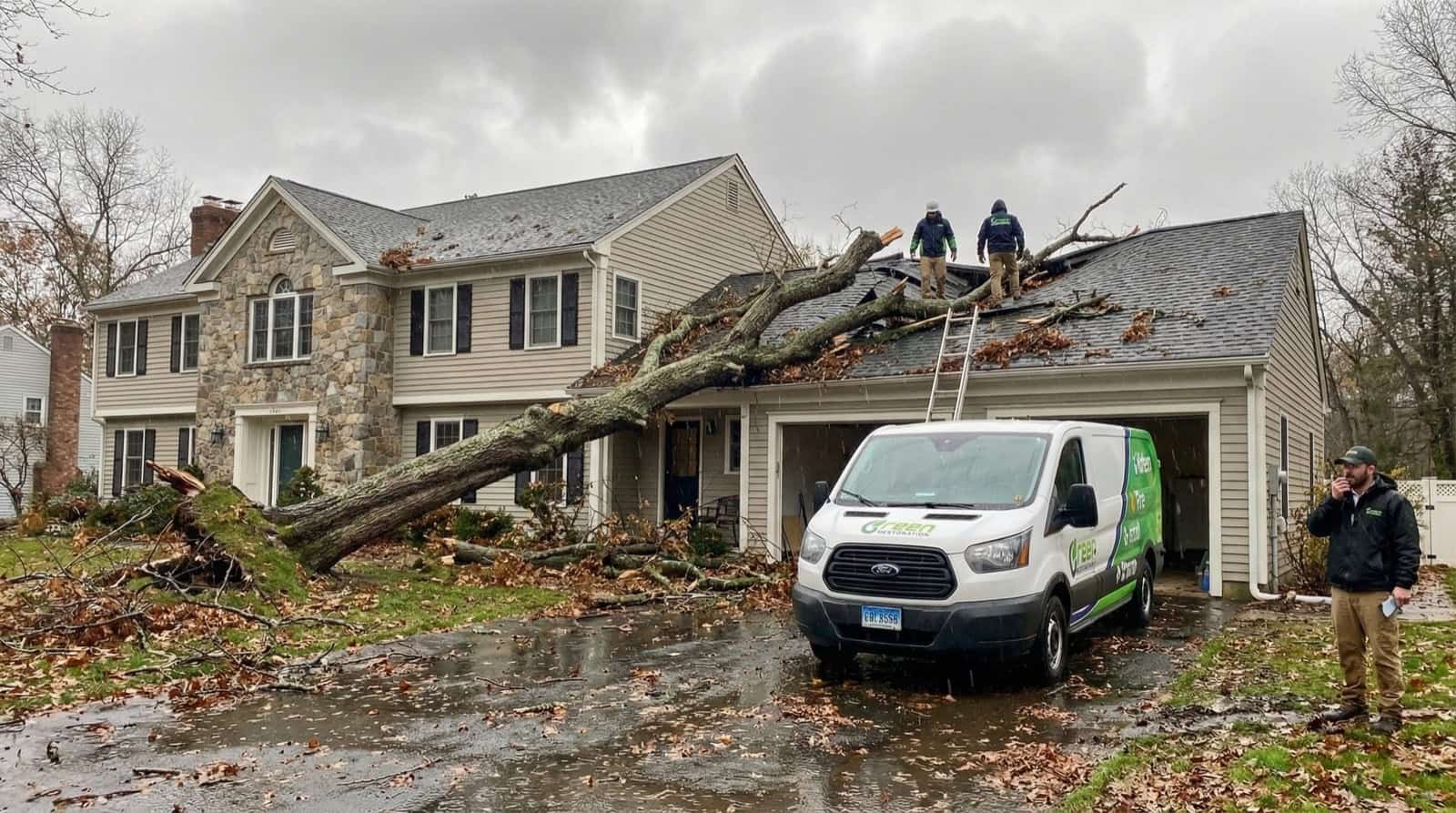
Fire & Smoke Restoration Across NYC
Fire, smoke, and soot cleanup with deodorization and rebuild coordination across every NYC town we serve.
Storm & Flood Damage Across NYC
Storm, flood, and water mitigation with rapid stabilization across every NYC town we serve.
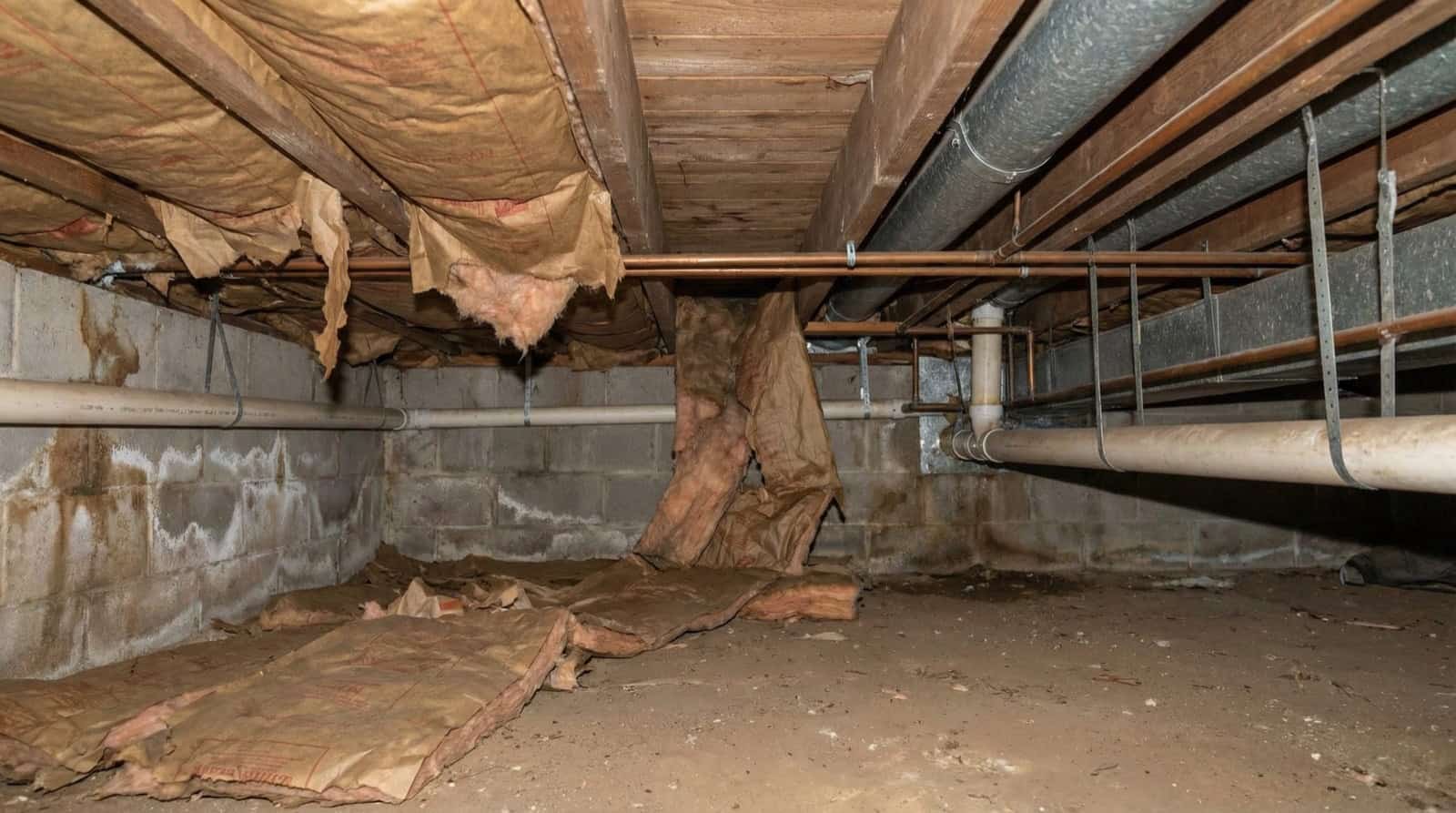
Crawl Space Cleanup & Encapsulation Across NYC
IICRC S520-certified crawl space encapsulation, vapor barrier installation, rodent cleanup, and insulation replacement in every NYC town we serve.
Air Duct & HVAC Cleaning Across NYC
NADCA-aligned air duct, dryer vent, and HVAC cleaning across every NYC town we serve.
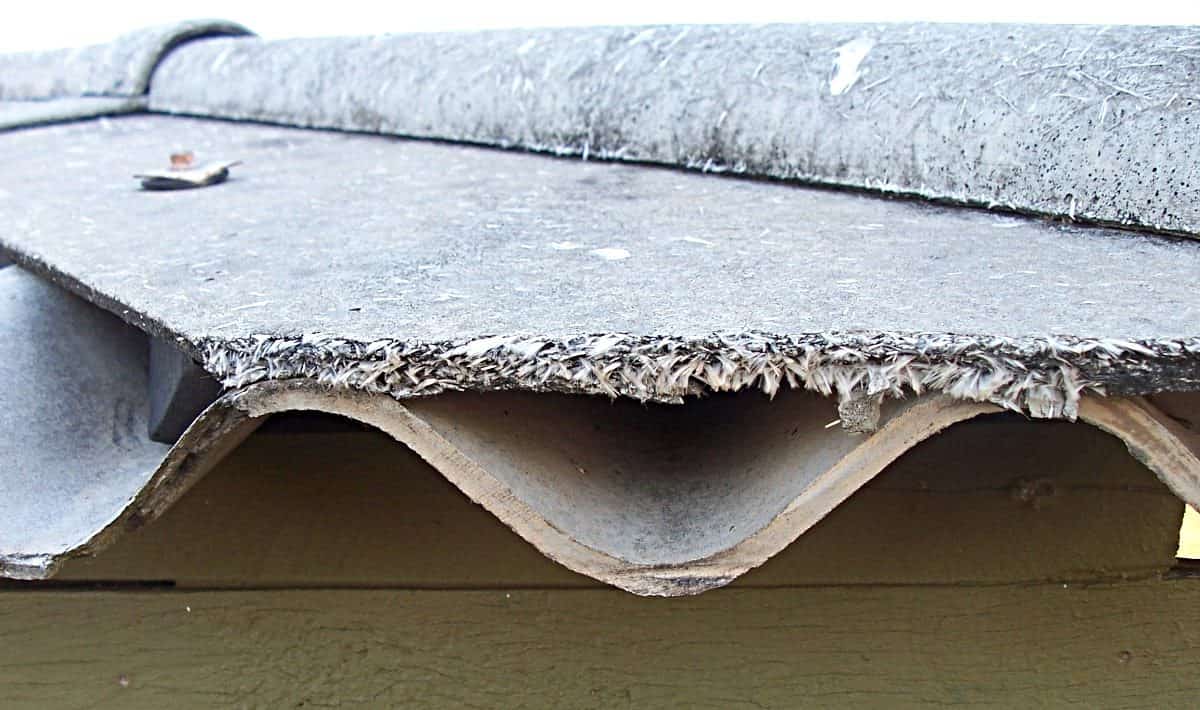
Asbestos Abatement Across NYC
Licensed asbestos abatement coordination across every NYC town we serve.
