Water, Fire, Mold & Storm Damage Restoration in Queens, NY
Rockaway Sandy Zone And LIC Tower Crews Article 32 Licensed · IICRC Certified
 IICRC Certified
 Eco-Friendly Solutions For Healthier Spaces
Reviewed by Green Restoration's IICRC-Certified Team·Licensed & Insured·IICRC Certified Firm
Conditions from the National Weather Service and Open-Meteo.
Restoration Services in Queens
From Emergency Response to Full Restoration, We Handle Every Phase With Certified Expertise.
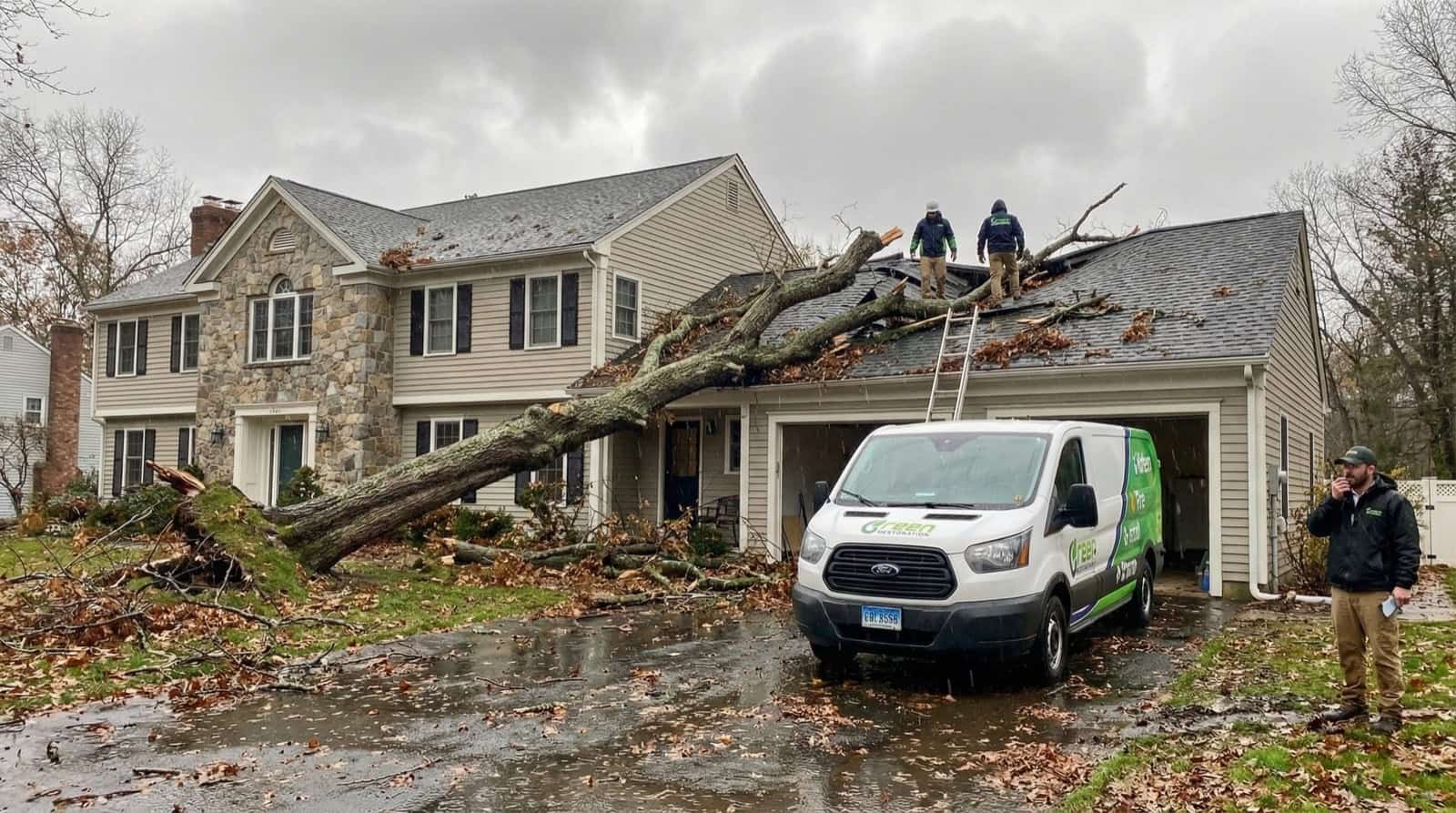
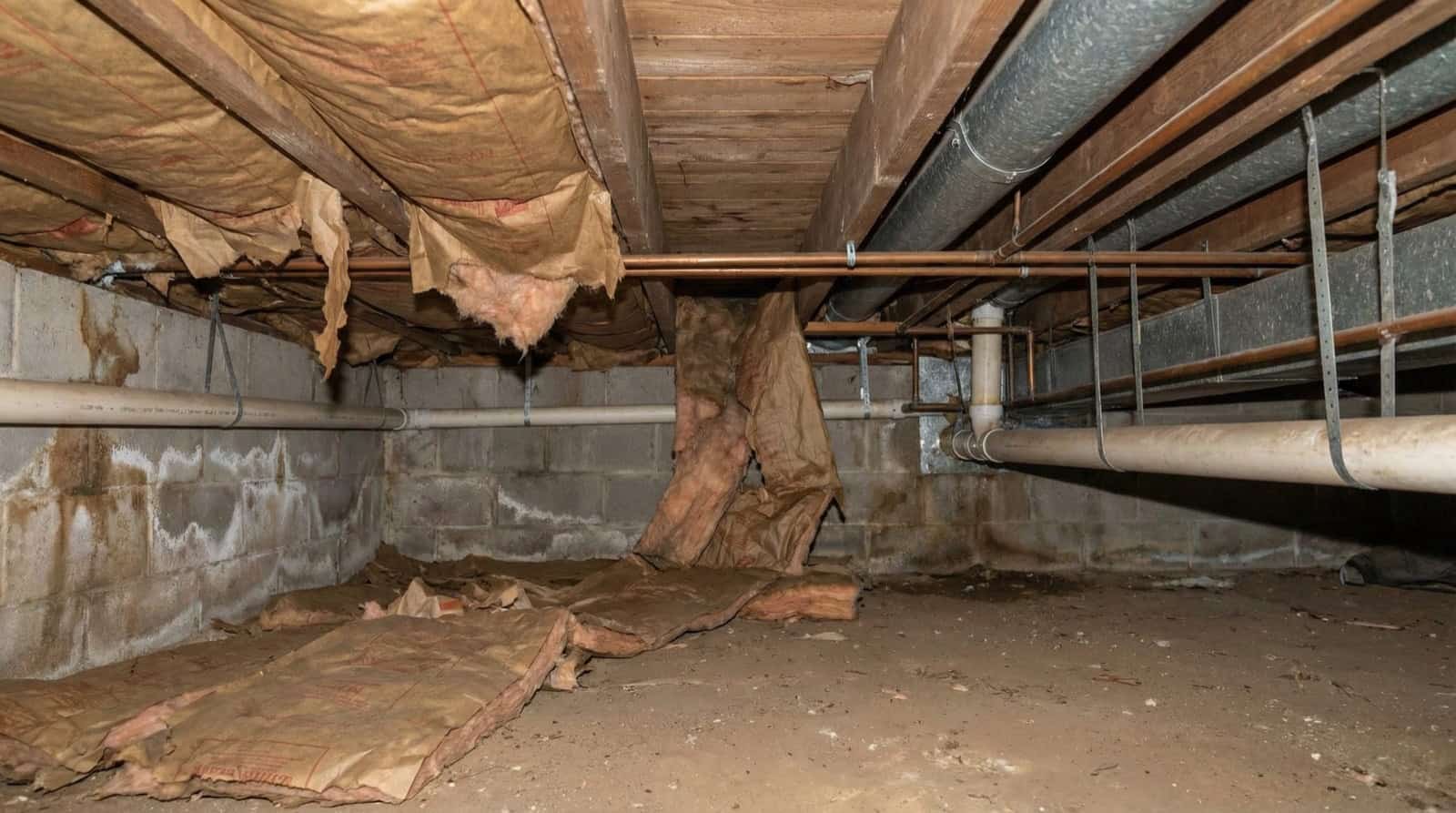
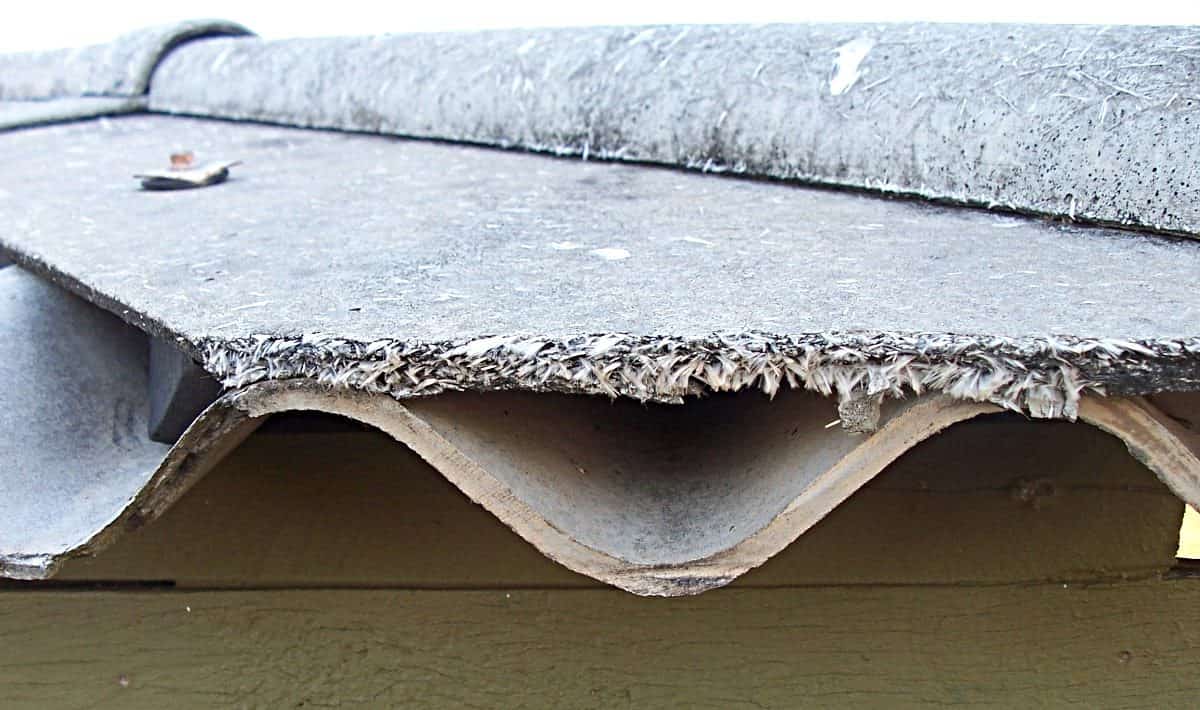
No Obligation · Available 24/7 · Direct Insurance Billing
Our Results
Queens Restoration Results
Real before-and-after results from water damage restoration projects in Queens homes.
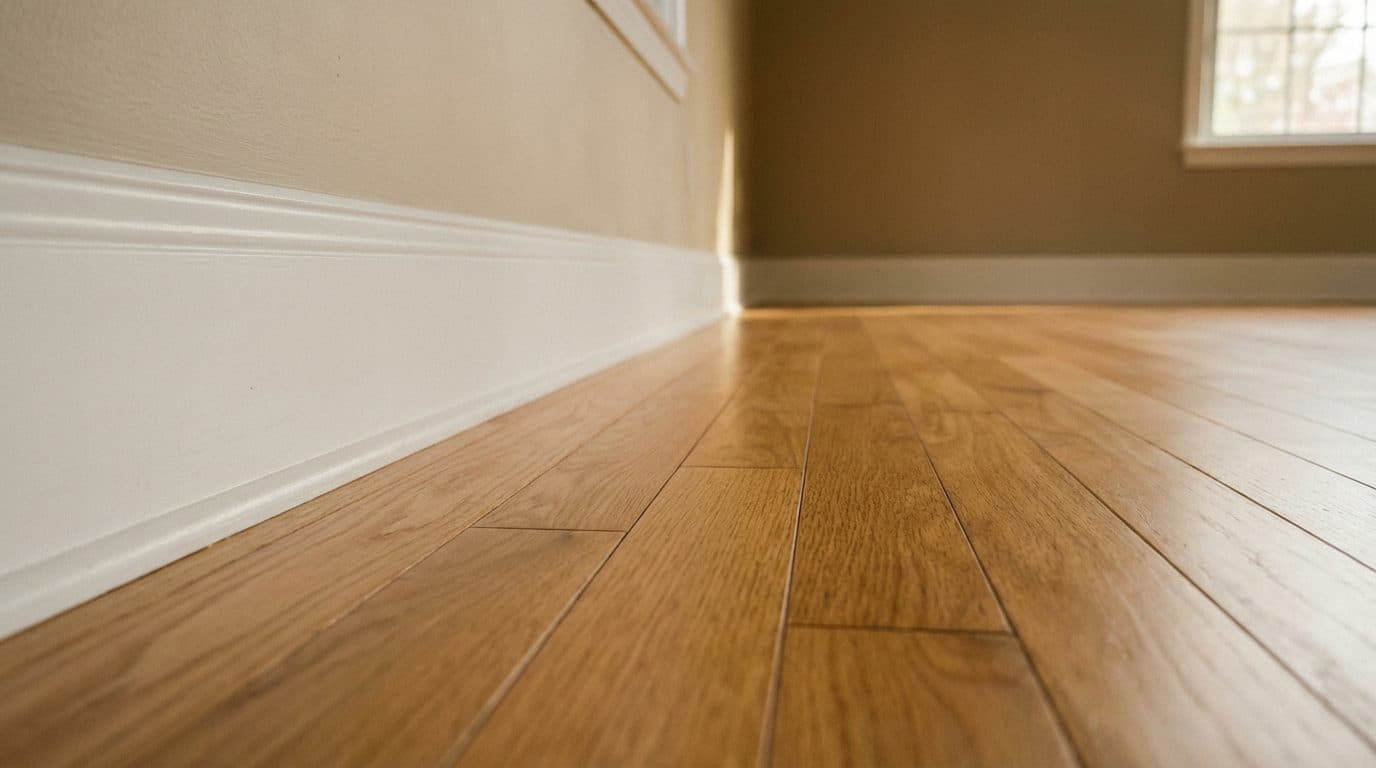
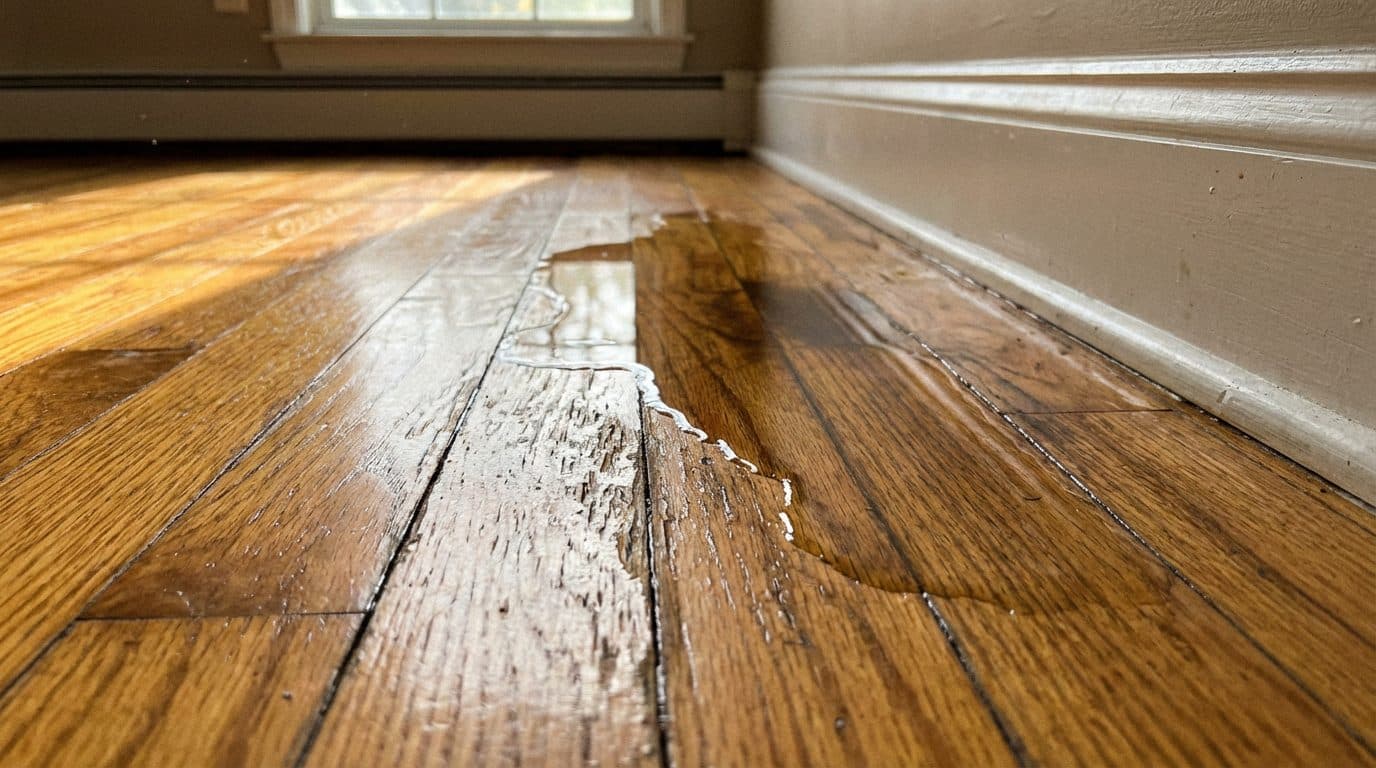
Water Damage Restoration
Queens, NY
Drag the slider to compare before and after

Queens’s IICRC-Certified Restoration Experts
Toll-free rapid local dispatch. IICRC-certified, NYC condo and co-op coordination, 30 to 50 minute off-peak arrival into Queens.
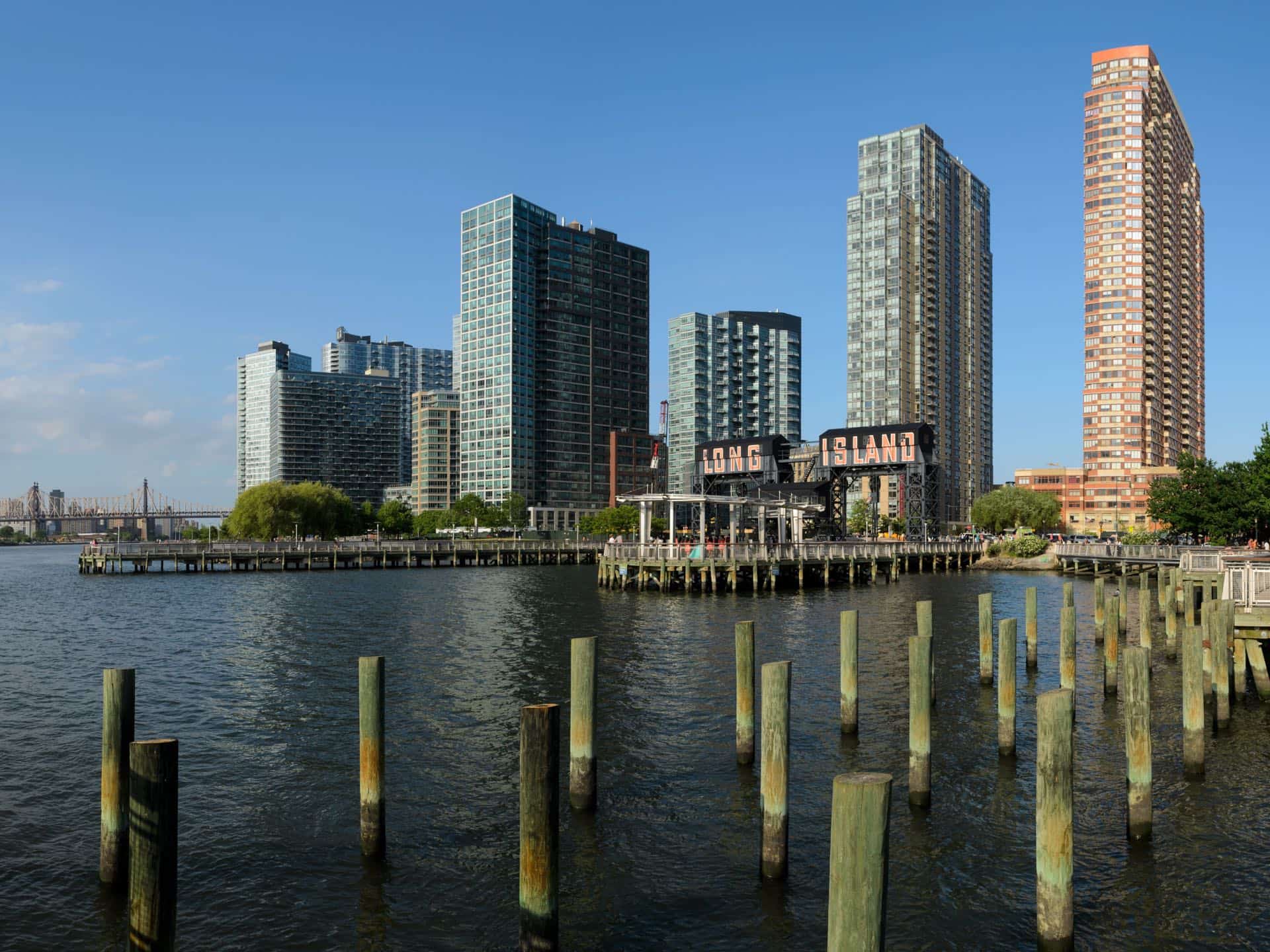
Queens combines the densest mix of housing in NYC: pre-war 1920s-1940s brick row and semi-detached homes in Astoria, Sunnyside, Woodside, Jackson Heights, and Forest Hills with original steam radiators and galvanized supply lines; post-war 1950s-1970s ranch and Cape stock through Flushing, Bayside, and Whitestone; post-2000 glass-tower condos along Long Island City and Hunters Point; and the Rockaway peninsula carrying Hurricane Sandy 2012 storm-surge history and chronic saltwater exposure. Each carries distinct water failure modes that need calibrated response.
Green Restoration dispatches rapidly via the Whitestone, Throgs Neck, or RFK bridge. Crews arrive IICRC-certified in S500 water and S520 mold protocols, fully equipped for pre-war plaster, glass-tower party-wall isolation, Ida-style basement-apartment Category 3 sewer surcharge, and saltwater-exposed Rockaway framing. NYC Article 32 mold remediation jobs of 10 square feet or more coordinate with a state-licensed independent assessor.
Hurricane Sandy Surge Zone
Rockaway Beach, Far Rockaway, Howard Beach, Hamilton Beach, and Broad Channel sit in FEMA AE flood zones with 2012 storm-surge history. Saltwater chloride flushing, extended drying cycles, and NFIP claim documentation handled per scope.
Ida 2021 Basement Apartments
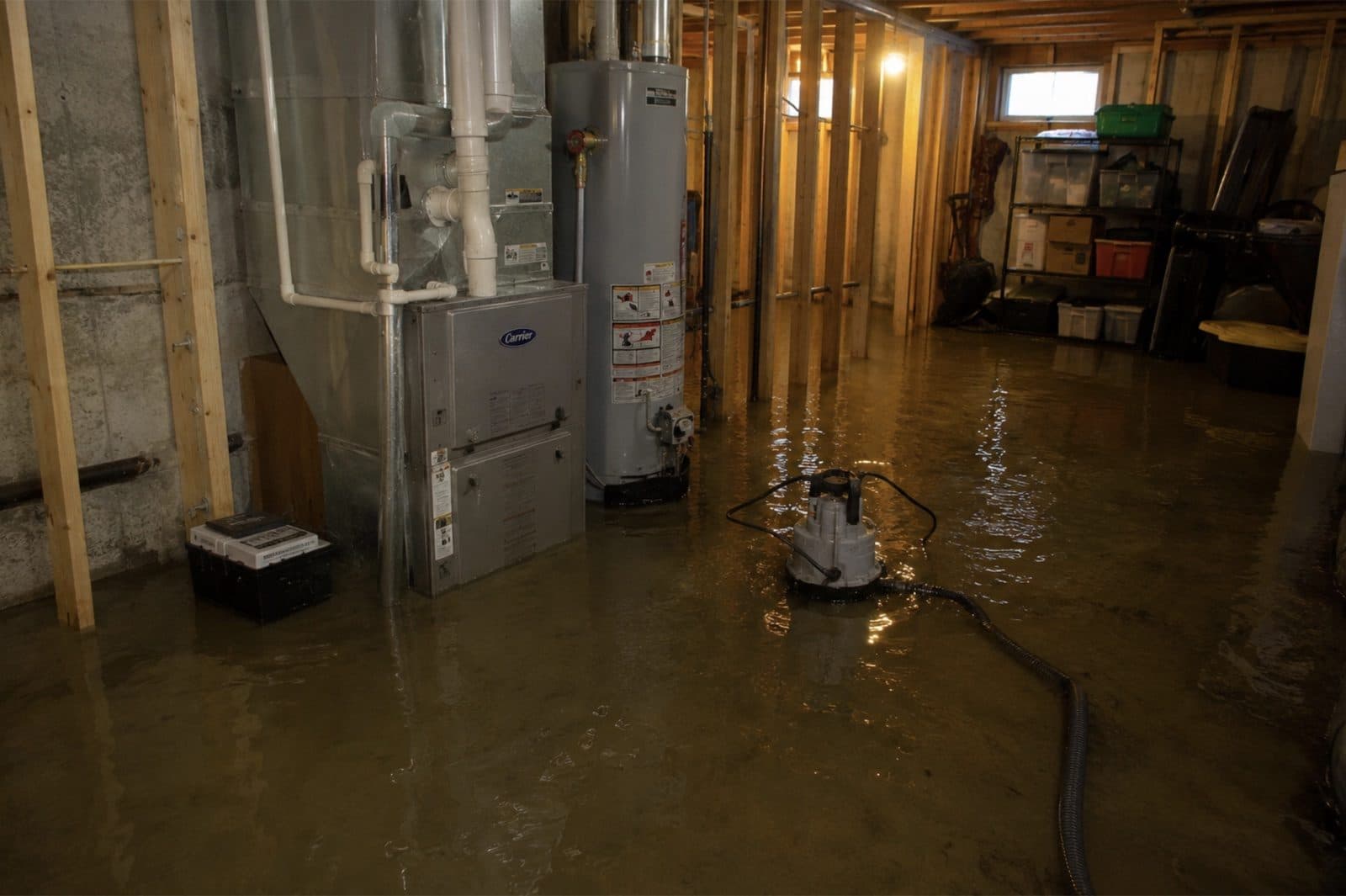
Forest Hills, Flushing, Woodside, Corona, and Jackson Heights basement apartments flooded when storm-drain surcharge exceeded combined-sewer capacity. Category 3 sewer-water remediation runs Tyvek containment with EPA-registered antimicrobials.
LIC Glass-Tower Stack Cascades
Long Island City and Hunters Point condos built 2010-2023 see riser-stack leaks cascading across multiple unit lines. Party-wall isolation, HEPA negative-air containment, and direct condo-board coordination keep adjacent units protected.
Toll-Free 24/7 Dispatch
Call (347) 783-6383 any time. Dispatch via Whitestone, Throgs Neck, or RFK bridge. 30 to 50 minute off-peak Astoria, LIC, Forest Hills arrivals. Direct insurance billing with State Farm, Chubb, AIG, USAA, Liberty Mutual, and Safeco.
Why Choose Us In Queens
Owner-led service with 60-minute response, direct insurance billing, and eco-friendly methods across Queens.
60-Minute Emergency Response
IICRC-certified crews arrive within 60 minutes, day or night, every day of the year.
Owner-Operated Local Crew
Every job is personally overseen, from first call to final moisture reading.
Direct Insurance Billing
We bill State Farm, Liberty Mutual, USAA, Farmers, AIG, Chubb, and Safeco directly.
EPA-Registered Antimicrobials
EPA-registered antimicrobials and Safer Choice cleaning products applied per IICRC S500 and S520 standards.
Queens Service Area
Our local New York crews dispatch into Queens via the Whitestone, Throgs Neck, and RFK bridges. Typical arrival 30 to 50 minutes off-peak, 60 to 90 minutes peak. Toll-free dispatch any time.
60-Minute Emergency Response
Our Queens team is on call 24/7 with fully equipped trucks staged across the county.
Featured Coverage
Queens Restoration Services
IICRC-aligned water damage, mold, fire, and asbestos restoration with NYC condo and co-op coordination, NY DOL Article 32 mold assessor coordination, and direct insurance billing.
Beyond Queens
Other NYC Boroughs We Serve
24/7 emergency water, mold, fire, and storm restoration across all five NYC boroughs. Toll-free dispatch at (347) 783-6383.

Park Slope, Williamsburg, Brooklyn Heights, Bay Ridge, Bensonhurst. 24/7 dispatch.
Upper East Side, UWS, Midtown, Chelsea, FiDi, Tribeca. Co-op and condo coordination.
Riverdale, Throgs Neck, Country Club, Pelham Bay, Mott Haven. 24/7 dispatch.
Tottenville, Annadale, Great Kills, St. George, Tompkinsville. Sandy-zone experienced.
Understanding the Problem
Why Queens Homeowners Trust Green Restoration
Queens properties face restoration challenges no other NYC borough matches. Pre-war brick row and co-op stock from Astoria through Forest Hills runs on steam radiators and galvanized supply lines that burst every winter. Basement apartments from Flushing to Corona flood when storm drains surcharge during nor'easters. Long Island City glass towers cascade riser leaks across multiple condo lines, while the Rockaway peninsula carries oceanfront saltwater and Hurricane Sandy surge memory.
Local crews dispatch IICRC-certified in S500 water and S520 mold protocols, with truck-mounted extractors, LGR dehumidifiers, HEPA containment, FLIR thermal imaging, and EPA-registered antimicrobials calibrated for pre-war plaster, glass-tower condo finishes, and saltwater-exposed Rockaway framing. NYC condo boards, co-op managers, and licensed Article 32 assessors coordinated as needed.
Rapid local NYC borough dispatch via Whitestone, Throgs Neck, RFK
60-minute response off-peak, 90-minute peak
Direct insurance billing on covered claims; you handle policy deductible
IICRC-certified technicians with pre-war, co-op, and Sandy-zone experience
Queens Emergency Utility Lines
Stopping water at the source is step 1 of any water-damage scope. Use these verified Queens lines while our IICRC crew is en route.For life-threatening emergencies (active fire, gas odor, electrical shock), call 911 first.
Water Authority
NYC DEP (311)
311
NYC Department of Environmental Protection handles water and sewer. Dial 311 for water main breaks, sewer backups, and curb-stop requests.
Source: nyc.gov
Gas Leak
National Grid NYC
(718) 643-4050
Serves Queens, Brooklyn, and Staten Island gas. If you smell gas, leave immediately, call 911 first, then this line from a safe location.
Source: nationalgridus.com
Electric Emergency
Con Edison
(800) 752-6633
Submerged outlets or wet panel: cut breaker, then call to confirm service drop is safe.
Source: coned.com
Police (Non-Emergency)
NYPD (311)
311
NYPD dispatches via 311 for non-emergency. Dial 911 for crimes in progress, fires, or medical emergencies. Sewer-backup Cat-3 claims sometimes need a police report.
Source: nyc.gov
Numbers verified against public utility and municipal sources. Green Restoration is not affiliated with these agencies. We provide these as a courtesy resource alongside our IICRC water-damage response.
How We Restore Queens Properties
From the first call to final walkthrough, every step is documented, insured, and owner-supervised.
How Much Does Restoration Cost In Queens?
Updated 2026-05-07
Direct ranges from real Queens jobs. Free written estimate before any work begins, with no obligation.
Water Damage Restoration Cost
$1,500 to $50,000+
Extraction, structural drying, dehumidification, and antimicrobial. Range depends on water source and affected square footage.
Mold Remediation Cost
$1,500 to $30,000+
Containment, HEPA air scrubbing, source removal, and post-clearance testing. Scales with affected square footage.
Fire & Smoke Damage Cost
$3,500 to $50,000+
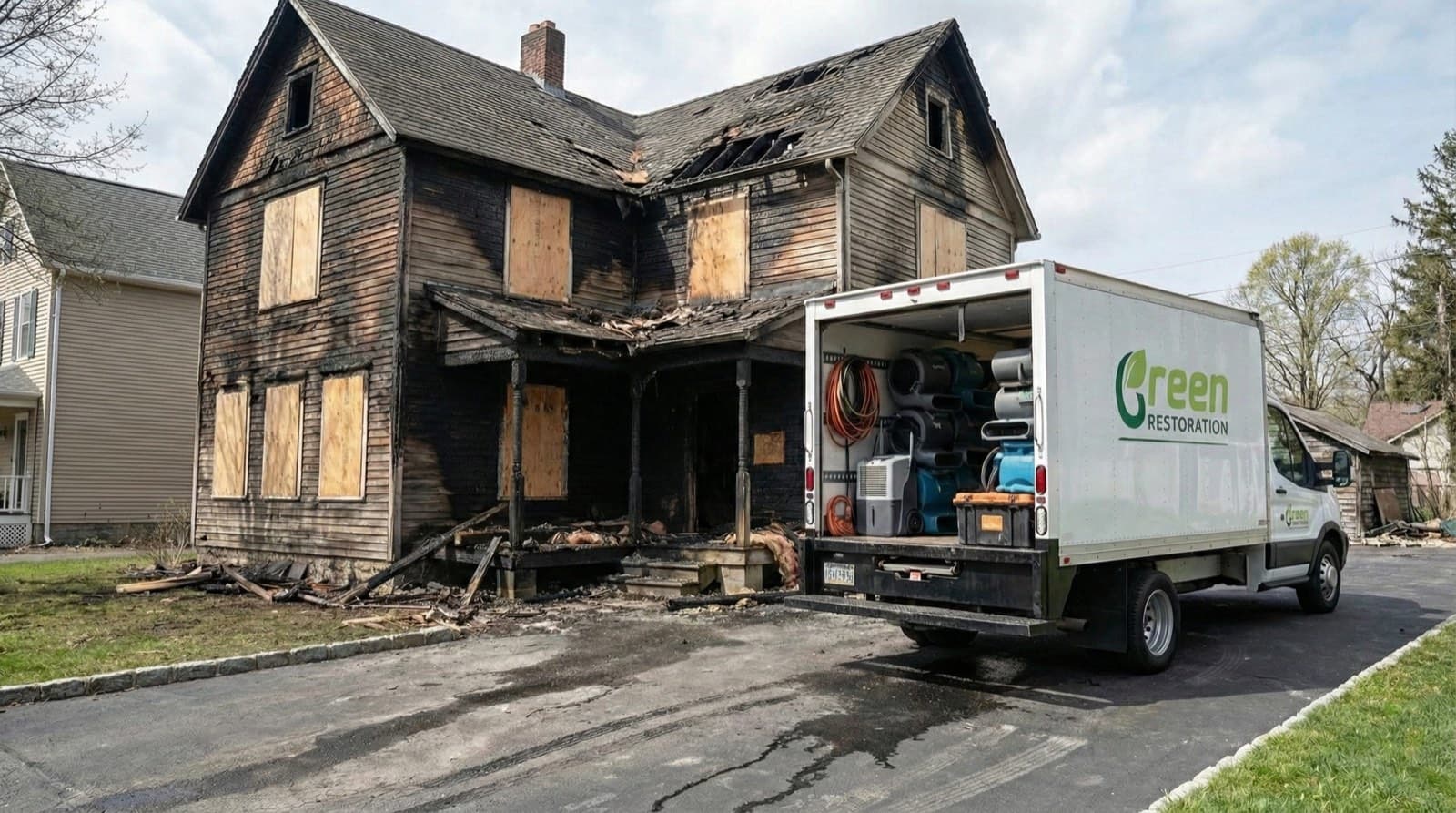
Soot removal, odor neutralization, content pack-out, and structural cleaning. Severity drives the range.
Flood & Storm Damage Cost
$3,000 to $50,000+
Emergency extraction, structural drying, content recovery, and debris removal. Insurance billed direct.
Crawl Space Cleanup Cost
$1,500 to $10,000+
Vapor barrier, encapsulation, dehumidifier, and pest exclusion. Price varies by square footage and access.
Air Duct Cleaning Cost
$1,299 to $2,000
Per HVAC unit. NADCA source-removal: HEPA collection, rotary brush agitation, coil treatment. Multi-zone systems higher.
Asbestos Removal Cost
$1,800 to $60,000+
NY DOL-licensed abatement with third-party clearance testing. Scales with material type and square footage.
Sewage Cleanup Cost
$2,000 to $15,000+
Category 3 black-water extraction, biohazard decontamination, and structural disinfection. 24/7 emergency response.
Estimate Your Restoration Cost
Instant estimate for water damage, mold remediation, fire cleanup, and storm restoration across Queens. Transparent pricing, direct insurance billing.
Common Questions About Restoration Service in Queens
Clear, honest answers about NYC dispatch, insurance, Article 32 compliance, and our IICRC-certified restoration process across Queens, NY.
Dispatch starts the moment you call (347) 783-6383. Our local New York crews route via the Whitestone, Throgs Neck, or RFK bridge. Astoria, Long Island City, Sunnyside, Woodside, Jackson Heights, and Forest Hills typically arrive within 30 to 50 minutes off-peak. Flushing, Bayside, Whitestone, and Jamaica run 40 to 60 minutes. Rockaway Beach, Far Rockaway, Howard Beach, and Broad Channel arrive 60 to 90 minutes via the Cross Bay or Marine Parkway bridges. Peak rush hour can push these to 90 to 120 minutes. Trucks roll with extractors, dehumidifiers, and FLIR thermal imaging so mitigation starts on arrival.
Queens water-damage cost depends on IICRC S500 water category and property type. Category 1 clean-water single-room burst pipes in an Astoria or Jackson Heights pre-war row home run $1,500 to $4,500. Category 2 gray-water washing machine or dishwasher failures in Forest Hills or Flushing run $2,500 to $8,500, where most claims settle. Category 3 black-water Ida-style sewer surcharge in Woodside or Corona basement apartments runs $7,500 to $50,000+ because Category 3 requires demolition of contaminated drywall, batting, and finishes. Saltwater Sandy-zone Rockaway and Howard Beach losses add corrosion remediation. Long Island City glass-tower stack cascades scoped across multiple condo lines push higher. Written estimate on-site after Tramex moisture meter readings.
Most New York homeowner, condo, and co-op policies cover sudden and accidental water damage, including burst pipes, appliance failures, and sump-pump mechanical failures. Hurricane Sandy and Ida-style storm-surge or sewer-backup flooding usually requires National Flood Insurance Program (NFIP) coverage, which is separate. Rockaway, Howard Beach, and Broad Channel properties in FEMA floodplains often carry both. Co-op and condo policies in LIC, Astoria, and Forest Hills often cover unit interior with the building master policy covering common areas and shared risers. We work with State Farm, Liberty Mutual, USAA, Farmers, AIG, Chubb, Safeco, Travelers, and Allstate, plus high-net-worth carriers common across NYC. We submit IICRC S500-standard documentation directly to your insurer. We are not licensed public adjusters and do not negotiate claims on your behalf.
Yes. Green Restoration's IICRC-certified technicians hold Water Restoration (WRT) and Applied Microbial Remediation (AMRT) credentials, all renewed annually. For New York mold remediation jobs of 10 square feet or more, Article 32 of New York Labor Law requires an independent assessor separate from the remediator. We provide remediation services only on Article 32 jobs and coordinate with a state-licensed assessor to keep roles compliant. NYC building permits, DOB filings, and condo or co-op board approvals are coordinated as part of the scope for cascade demolitions and reconstruction.
Most Queens projects run 4 to 7 days for structural drying, verified by daily moisture meter readings per IICRC S500-2021 Section 12. Astoria and Jackson Heights pre-war brick row homes with original plaster on lath extend to 7 to 9 days because dense wall cavities need slower controlled drying. Long Island City and Hunters Point glass-tower condo cascades typically run 5 to 8 days with party-wall isolation and HEPA negative-air containment between adjacent units. Saltwater-exposed Rockaway framing can extend to 10 to 14 days for thorough chloride flushing before drying targets are reached. Reconstruction timelines vary, but repairs begin coordination before drying signoff so total displacement stays short.
The five most common causes we see across Queens are, in order: frozen and burst supply lines in pre-war Astoria, Sunnyside, Jackson Heights, and Forest Hills brick row and semi-detached homes with original galvanized plumbing, basement-apartment storm-drain surcharge across Flushing, Woodside, Corona, and Forest Hills during Ida-style tropical remnants, glass-tower riser-stack cascade leaks in Long Island City and Hunters Point condos, sump-pump and foundation failures in Howard Beach, Hamilton Beach, and Broad Channel Sandy-zone basements during nor'easters, and saltwater corrosion of pre-1980 oceanfront framing in Rockaway Beach, Far Rockaway, and Belle Harbor.
Yes. The Rockaway peninsula, Howard Beach, Hamilton Beach, and Broad Channel sit in FEMA AE flood zones with documented Hurricane Sandy 2012 storm-surge history. Saltwater-driven losses require chloride flushing of framing, full removal of saturated batting and contaminated drywall, EPA-registered antimicrobial for Category 3 protocols, and extended drying cycles longer than inland Queens losses. We coordinate NFIP claim documentation with carriers and provide the IICRC S500 Category 3 scope adjusters require. Active storm dispatch stages our local crews for immediate response as soon as bridge conditions allow.
Yes, with a state-licensed independent assessor on jobs of 10 square feet or more. New York Article 32 of the Labor Law requires assessor and remediator roles stay separate. Green Restoration provides remediation services only on Queens mold jobs. We coordinate the assessor relationship as part of scope so you do not have to manage two separate vendors. Common Queens mold scenarios include Ida 2021 basement-apartment colonization in Forest Hills and Flushing, Astoria and Jackson Heights pre-war brick row crawl-space moisture, and Long Island City glass-tower cavity colonization behind party walls. AMRT-certified containment with HEPA negative-air, EPA-registered antimicrobial per IICRC S520-2024 protocol applies.
A Rich Tapestry of History and Green Living
Queens is the most diverse borough in the city, and its housing reflects that range from one neighborhood to the next. Pre-war brick row and semi-detached homes in Astoria, Sunnyside, Woodside, Jackson Heights, and Forest Hills still run original steam radiators and galvanized supply lines that burst during winter freeze-thaw cycles. Post-war ranch and Cape stock fills Flushing, Bayside, and Whitestone, while the glass-tower condos of Long Island City and Hunters Point introduce shared riser stacks where one leak can travel through several units before it is found. Each assembly dries differently, so the response is calibrated to the construction rather than the calendar.
Water also arrives from the sky and the street here more than in most boroughs. Ida-style storm-drain surcharge in 2021 flooded basement apartments across Forest Hills, Flushing, Woodside, and Corona when combined-sewer capacity gave out, turning those losses into Category 3 sewer work. Along the Rockaway peninsula, Far Rockaway, Howard Beach, and Broad Channel sit in FEMA flood zones that carry Hurricane Sandy surge memory and chronic saltwater exposure, which means chloride flushing and extended drying for oceanfront framing. From Jamaica and Ozone Park to Belle Harbor, the geography sets the playbook on every job.
Areas We Serve Across NYC
Water Damage Restoration Across NYC
IICRC-certified water extraction, structural drying, and repair in every NYC town we serve.
Mold Remediation Across NYC
IICRC S520 certified mold remediation with ACAC clearance testing across every NYC town we serve. Same day inspection, hospital grade containment, lab verified clearance.
Fire & Smoke Restoration Across NYC
Fire, smoke, and soot cleanup with deodorization and rebuild coordination across every NYC town we serve.
Storm & Flood Damage Across NYC
Storm, flood, and water mitigation with rapid stabilization across every NYC town we serve.
Crawl Space Cleanup & Encapsulation Across NYC
IICRC S520-certified crawl space encapsulation, vapor barrier installation, rodent cleanup, and insulation replacement in every NYC town we serve.
Air Duct & HVAC Cleaning Across NYC
NADCA-aligned air duct, dryer vent, and HVAC cleaning across every NYC town we serve.
Asbestos Abatement Across NYC
Licensed asbestos abatement coordination across every NYC town we serve.
